How we picked
We compared what the most consistent coffee reviewers recommend, the
brewers’ designs and long-term owner feedback, then picked one brewer for
each type of drinker. We left out cheap copies of well-known drippers whose
quality owners report as uneven.
Which one should you buy
What to look for in a pour-over coffee maker
Cone or flat bottom
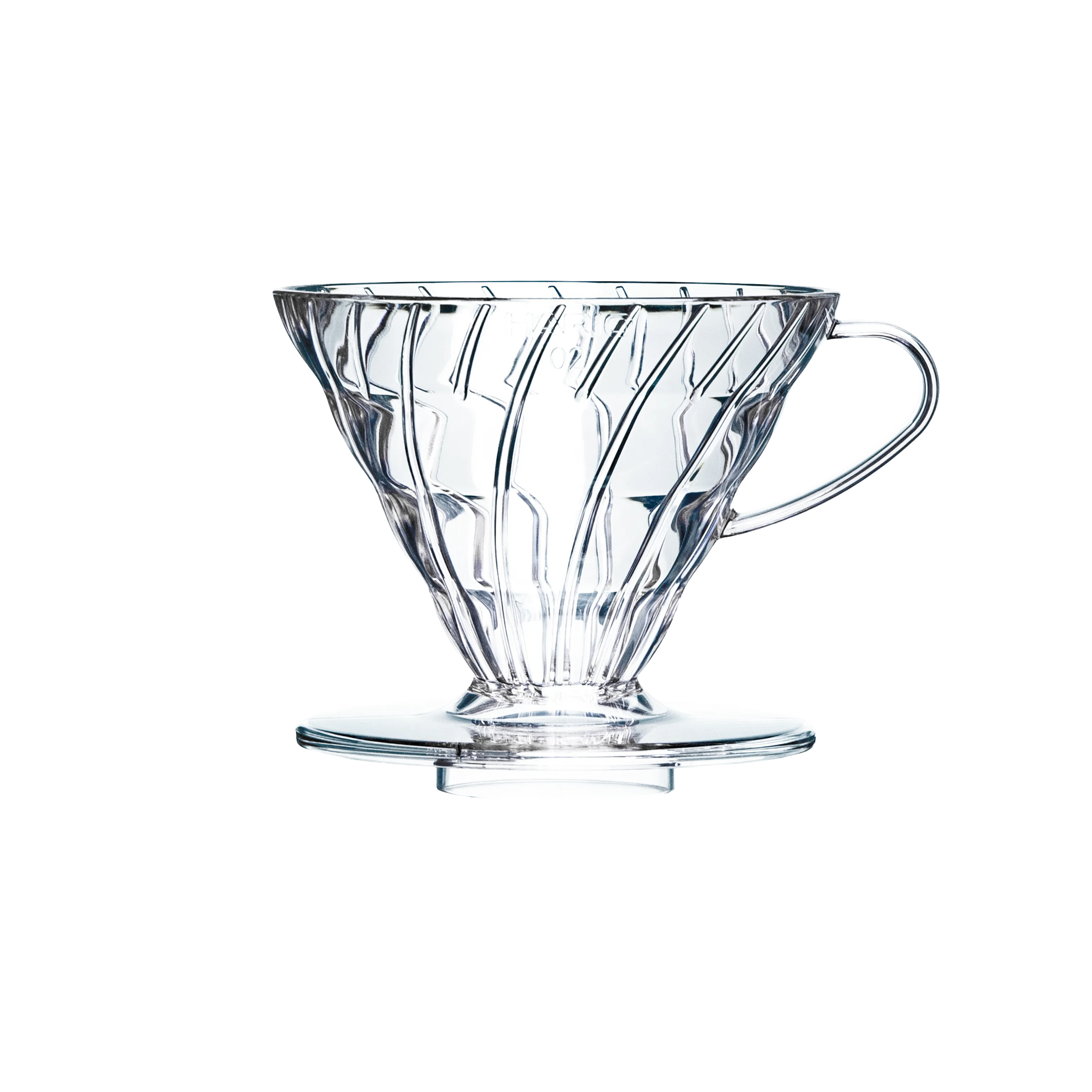
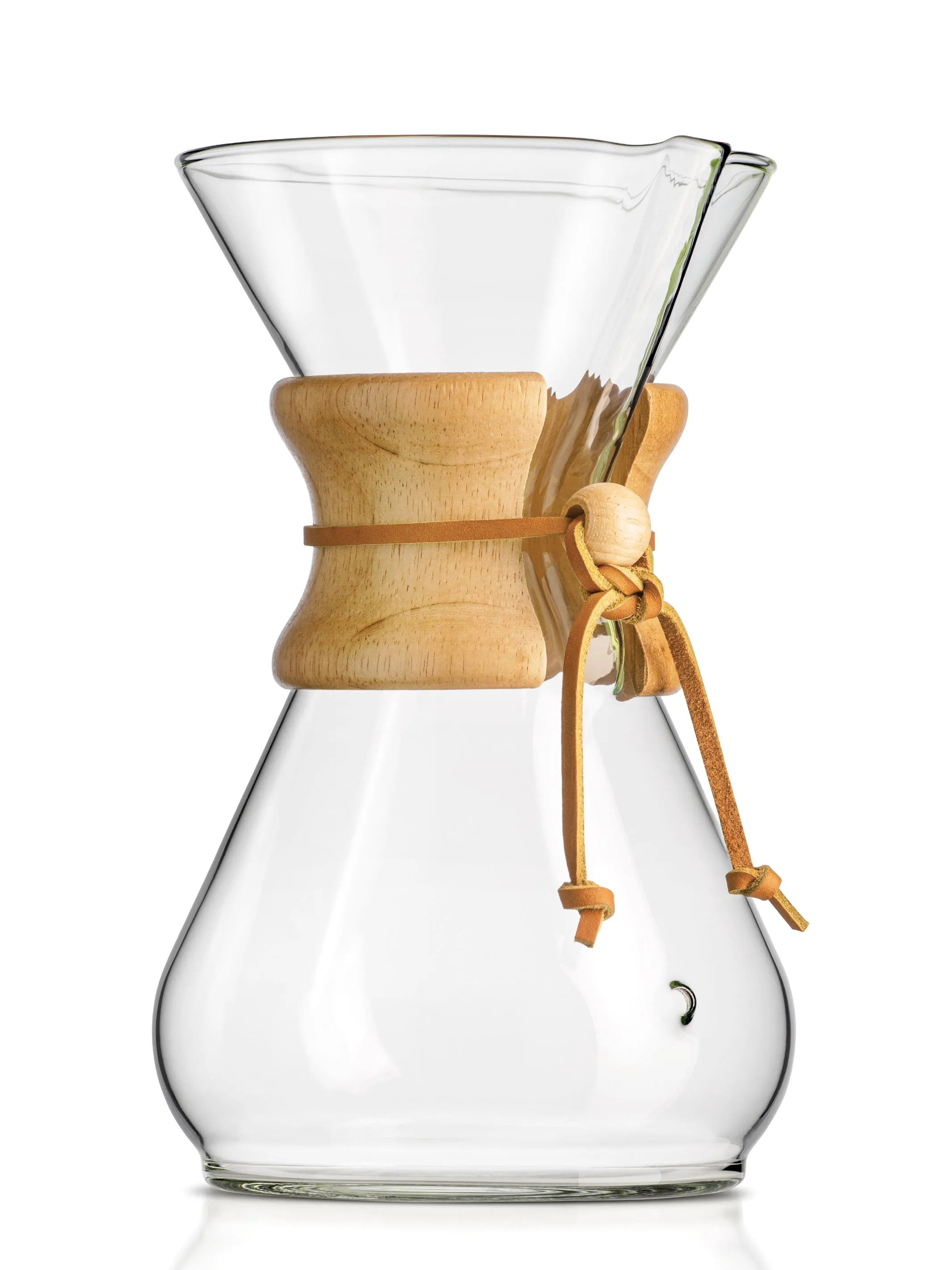
Cone drippers like the V60 and Chemex let water run through a deep bed of
coffee. They reward a careful pour with bright, clear coffee but punish an
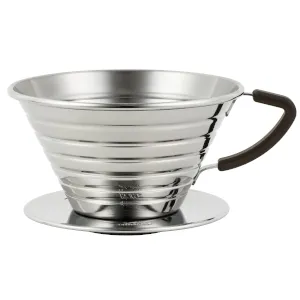
uneven one. Flat-bottom drippers like the Kalita Wave keep the bed shallow
and even, which makes results more consistent from day to day.
Flow rate
A single large hole, as on the V60, lets the speed of your pour decide how
long the coffee brews. Small holes or a valve slow the water down for you.
Beginners usually get better coffee from a slower, more controlled brewer.
Immersion or pour-over
Immersion brewers like the Clever Dripper steep all the coffee in all the
water, then drain it. They are easy and forgiving. True pour-over gives
more clarity and more control, but it takes practice and a
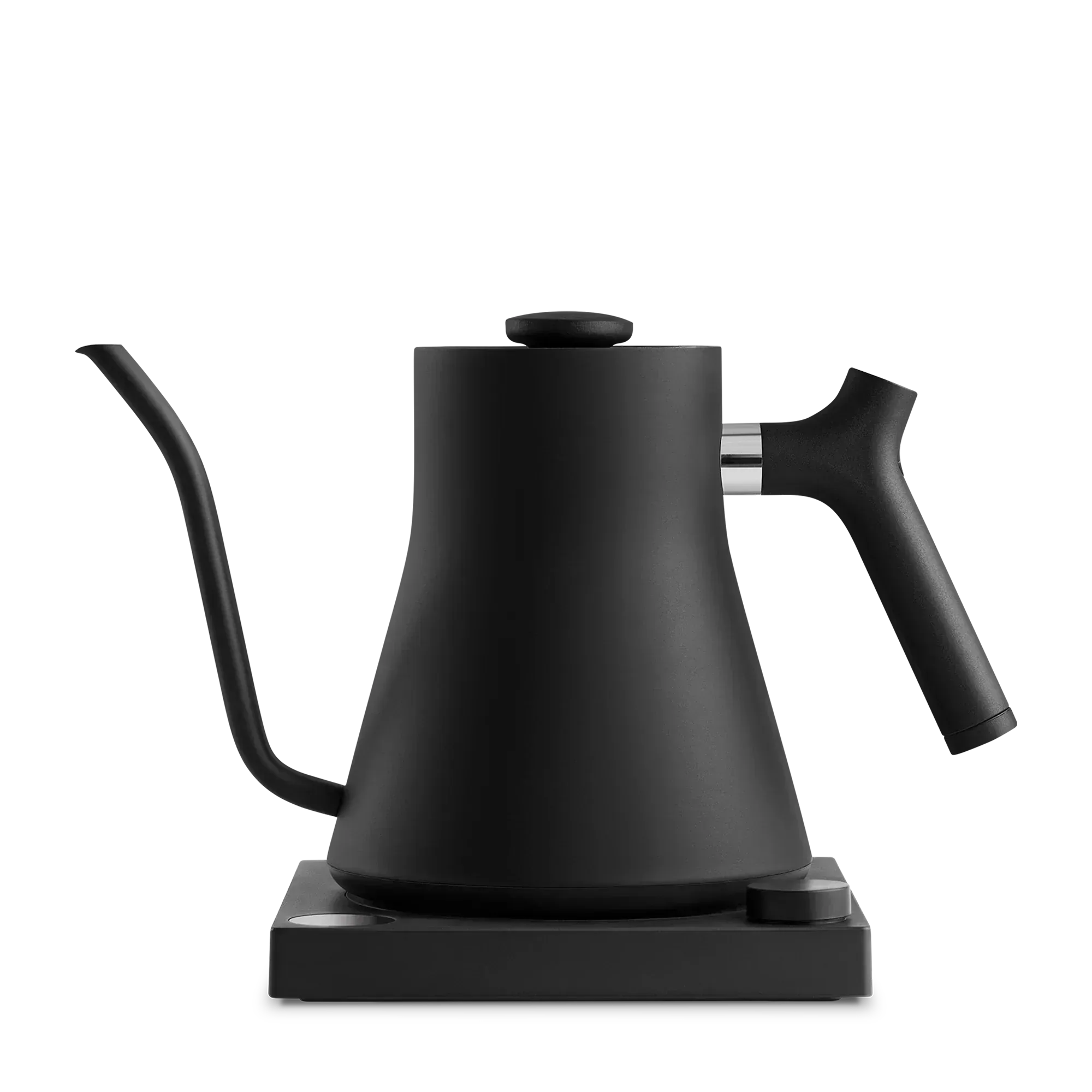
gooseneck kettle.
Material
Plastic is cheap, light and holds heat well. Ceramic looks nice but pulls
heat from the water unless you preheat it. Glass is easy to see through and
clean. Stainless steel is the toughest choice for travel.
Batch size
Most drippers make one or two mugs. If you regularly brew for a household,
a larger carafe brewer like the Chemex saves you from brewing twice. If you
want a full pot without standing over it, a
drip coffee maker may suit you better.
Filters
Check that filters for your brewer are easy to buy where you live. V60 and
standard cone filters are everywhere. Kalita Wave and Chemex filters are
more specialized.
Frequently asked questions
Do I need a gooseneck kettle for pour-over?
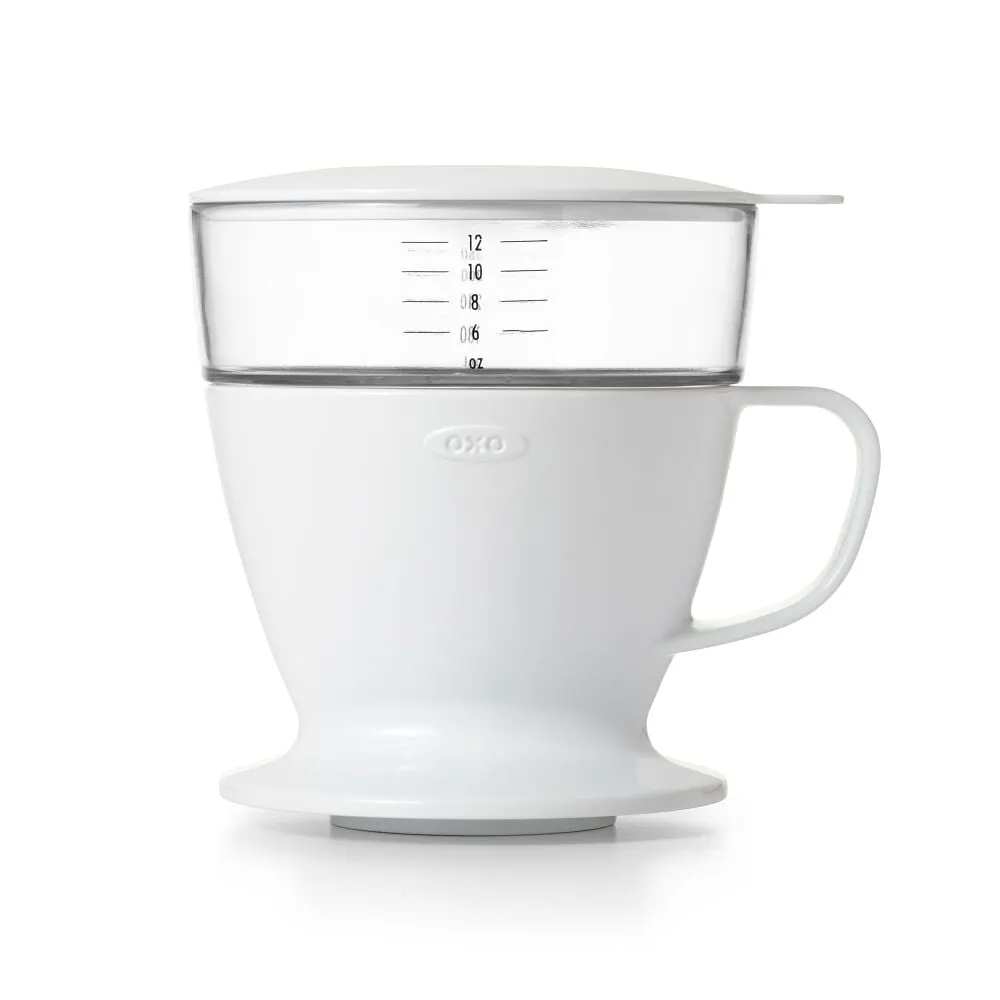
For cone and flat-bottom drippers, it helps a lot. A gooseneck spout lets
you pour slowly and exactly where you want. The Clever Dripper and the OXO
single serve brewer work fine with a regular kettle.
What grind size should I use?
Start with a medium-fine grind, a little finer than table salt. If the
coffee tastes sour or thin, grind finer. If it tastes bitter or the water
drains too slowly, grind coarser. A good
burr grinder matters more than the
dripper itself.
How much coffee should I use?
A common starting point is about 1 gram of coffee for every 16 grams of
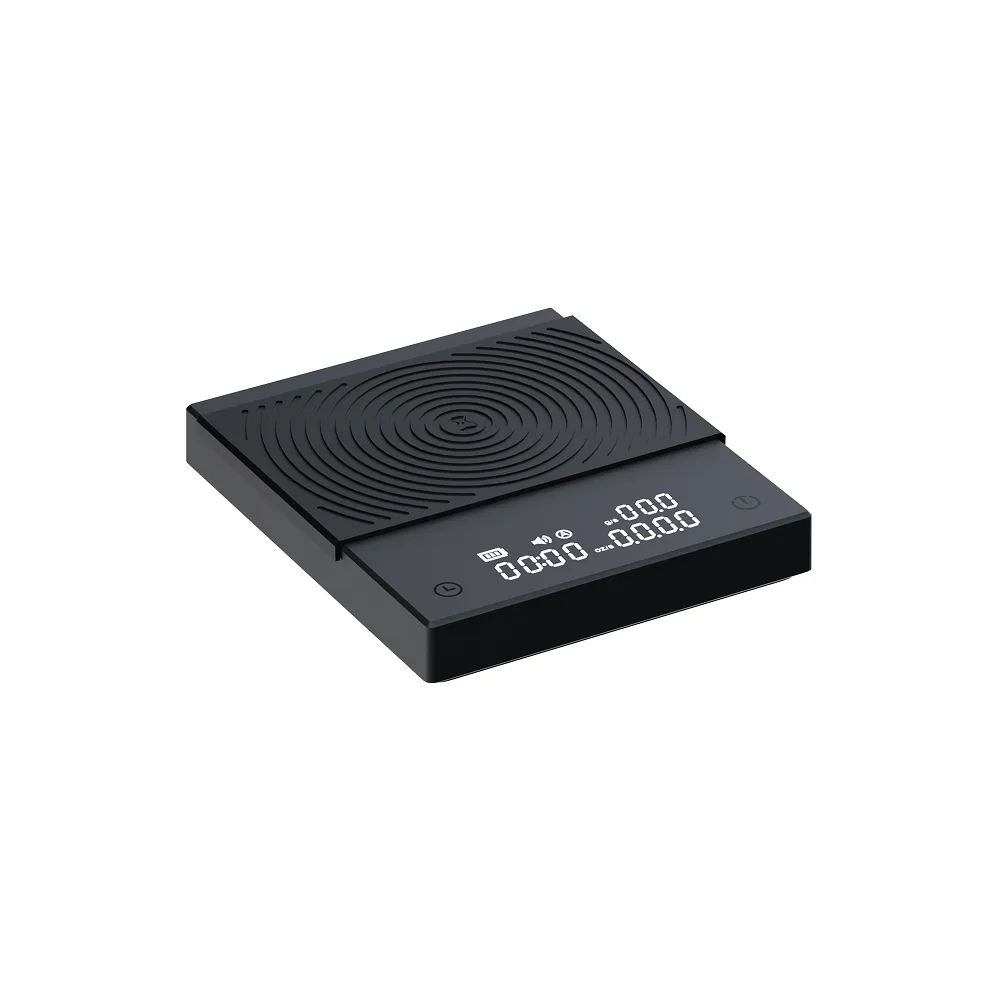
water. A coffee scale makes this easy to
repeat.
Is pour-over better than a drip machine?
It gives you more control and often a cleaner, brighter cup. A good drip
machine is more convenient and makes larger batches. Many people own both.