How we picked
We compared what the most consistent espresso reviewers and home barista
communities recommend, the grinders’ specs and long-term owner feedback,
then picked one grinder for each type of buyer. Every pick can grind fine
enough for unpressurized baskets and adjust in small enough steps to dial
in a shot. We left out grinders that are only sold outside Amazon.
Which one should you buy
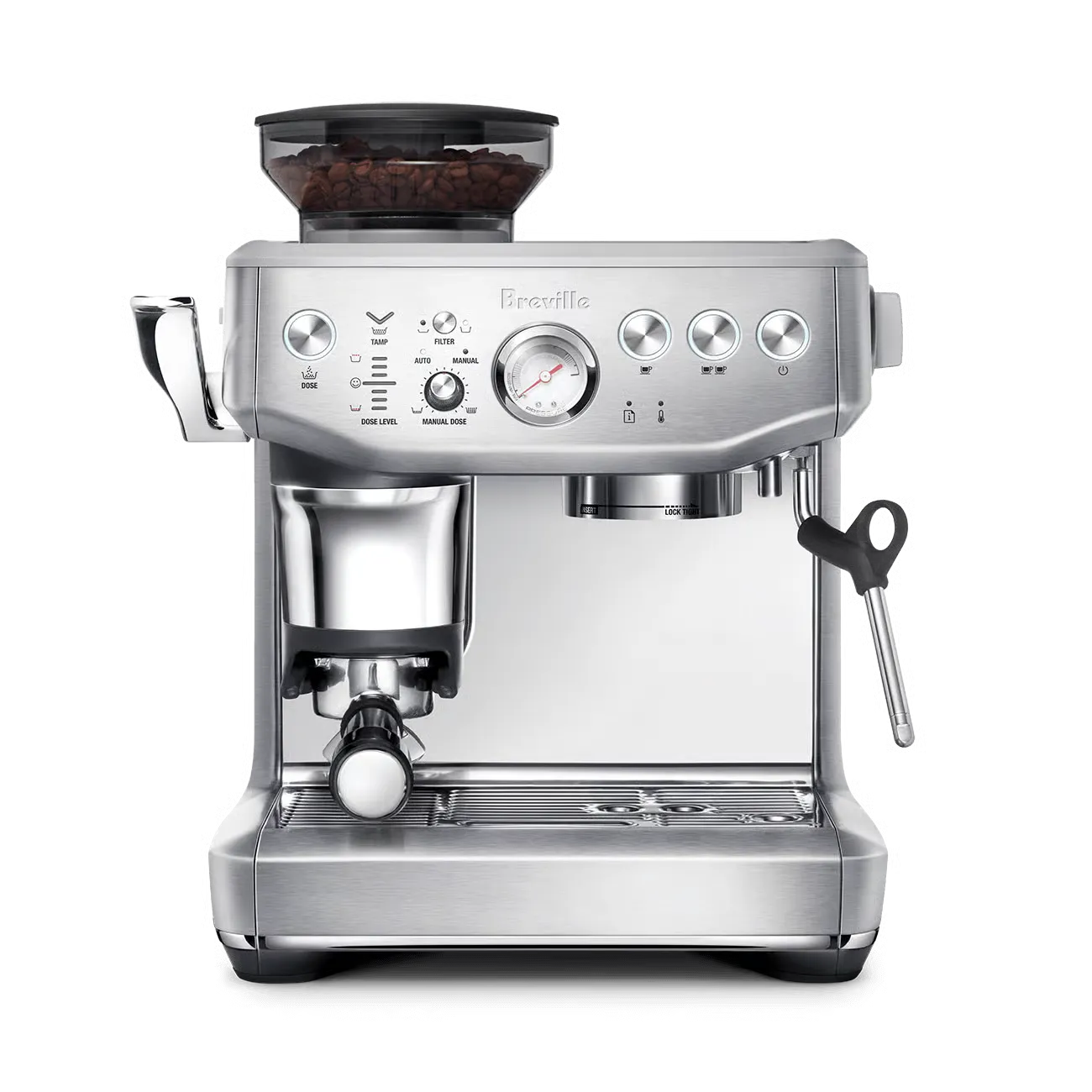
Need a machine to go with it? See our guide to the
best espresso machines.
What to look for in an espresso grinder
Why espresso needs its own grinder
Espresso pushes water through a puck of coffee in about 25 to 30 seconds.
That only works with very fine, even grounds, and a small change in grind
size changes the shot a lot. Many filter grinders cannot go fine enough, or
their steps are too large to land on the right setting. That is why most
people who get into espresso end up buying a grinder made for it.
Stepless or stepped adjustment
A stepped grinder clicks between fixed settings. A stepless grinder, like
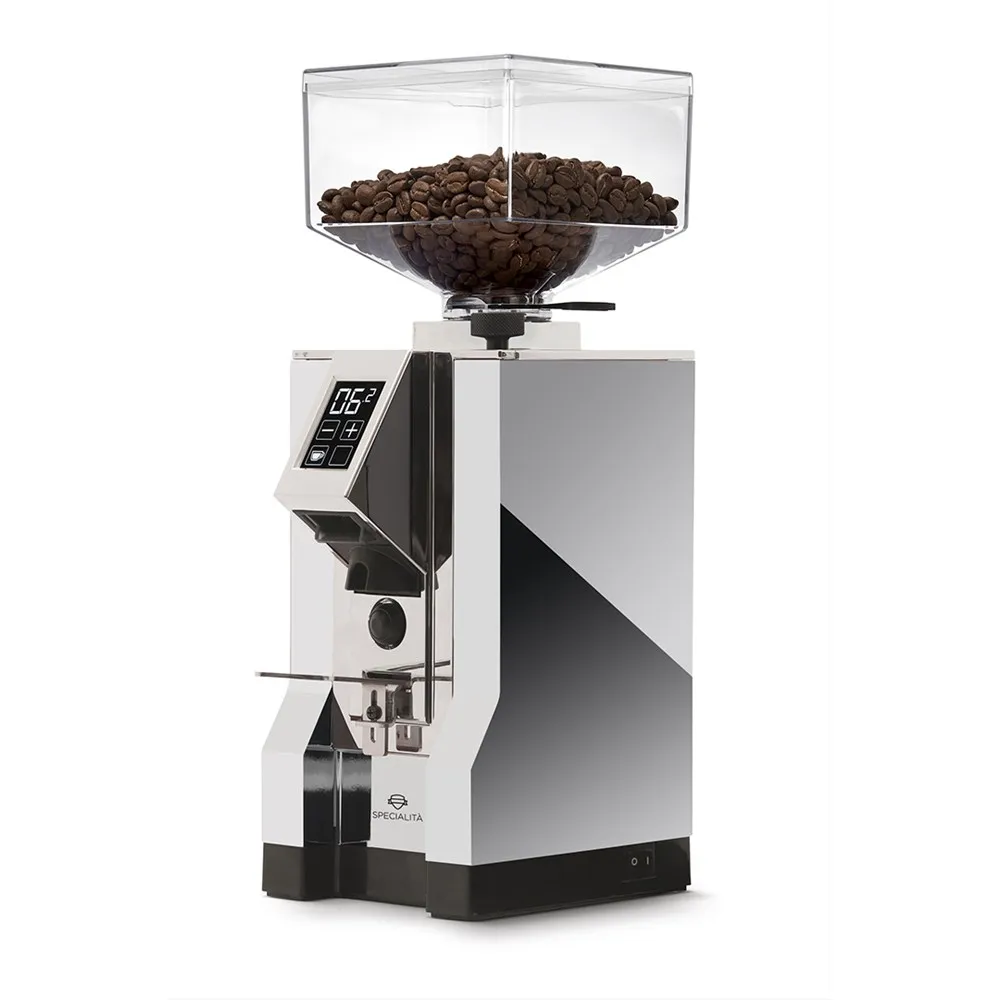
the Eureka Mignon Specialita or DF64 Gen 2, turns smoothly so you can stop
at any point. Stepless gives you the most control, which helps with light
roasts. A stepped grinder works too if its steps are small enough. The
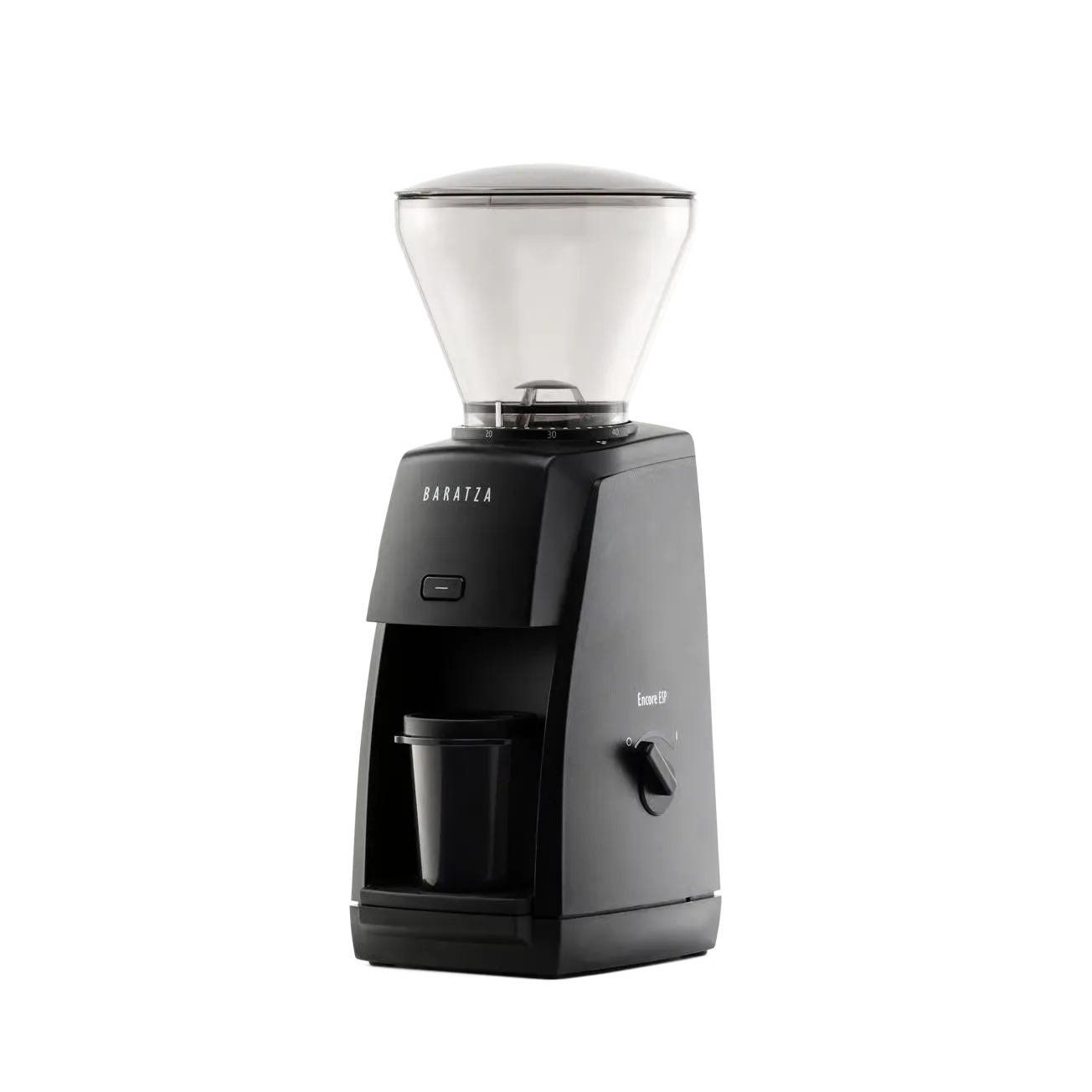
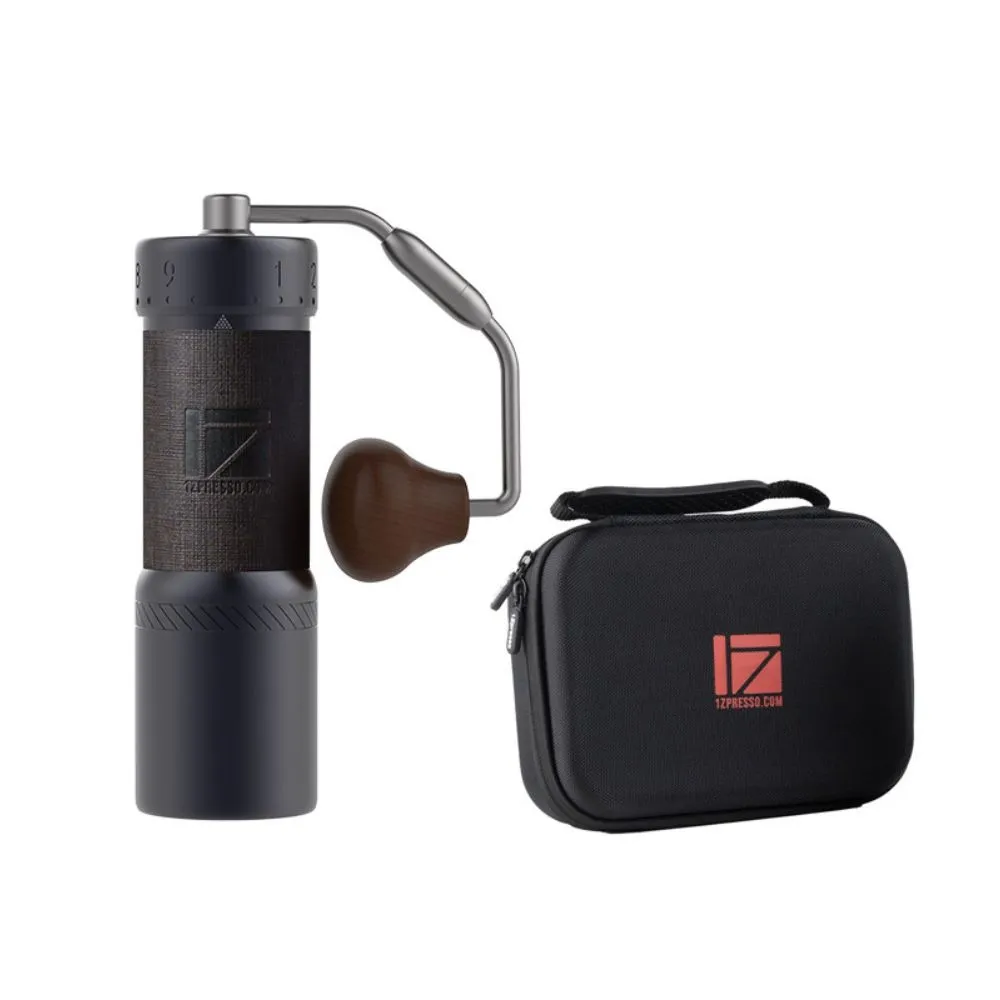
Encore ESP and hand grinders like the J-Ultra get there with very fine
clicks in the espresso range.
Single dosing
Single dosing means weighing the beans for one shot, grinding them all and
leaving the grinder empty. Your beans stay sealed and fresh, and you can
switch between coffees for every shot. Grinders built for it, like the
DF64 Gen 2, have small hoppers and often a bellows to blow out the last
grounds. Hopper grinders like the Specialita are faster if you drink the
same coffee every day.
Retention
Retention is the coffee left inside the grinder after you finish. Stale
grounds from yesterday end up in today’s shot, and your dose comes out a
little off. Low-retention grinders keep this to a fraction of a gram. On a
higher retention grinder, grind a couple of grams and throw them away
before your first shot.
Flat or conical burrs
Flat burrs tend to give a clearer, brighter shot with more defined
flavors. Conical burrs tend to give a heavier body and are often more
forgiving. Both make excellent espresso. Burr size, sharpness and
alignment matter more than shape.
Electric or hand grinder
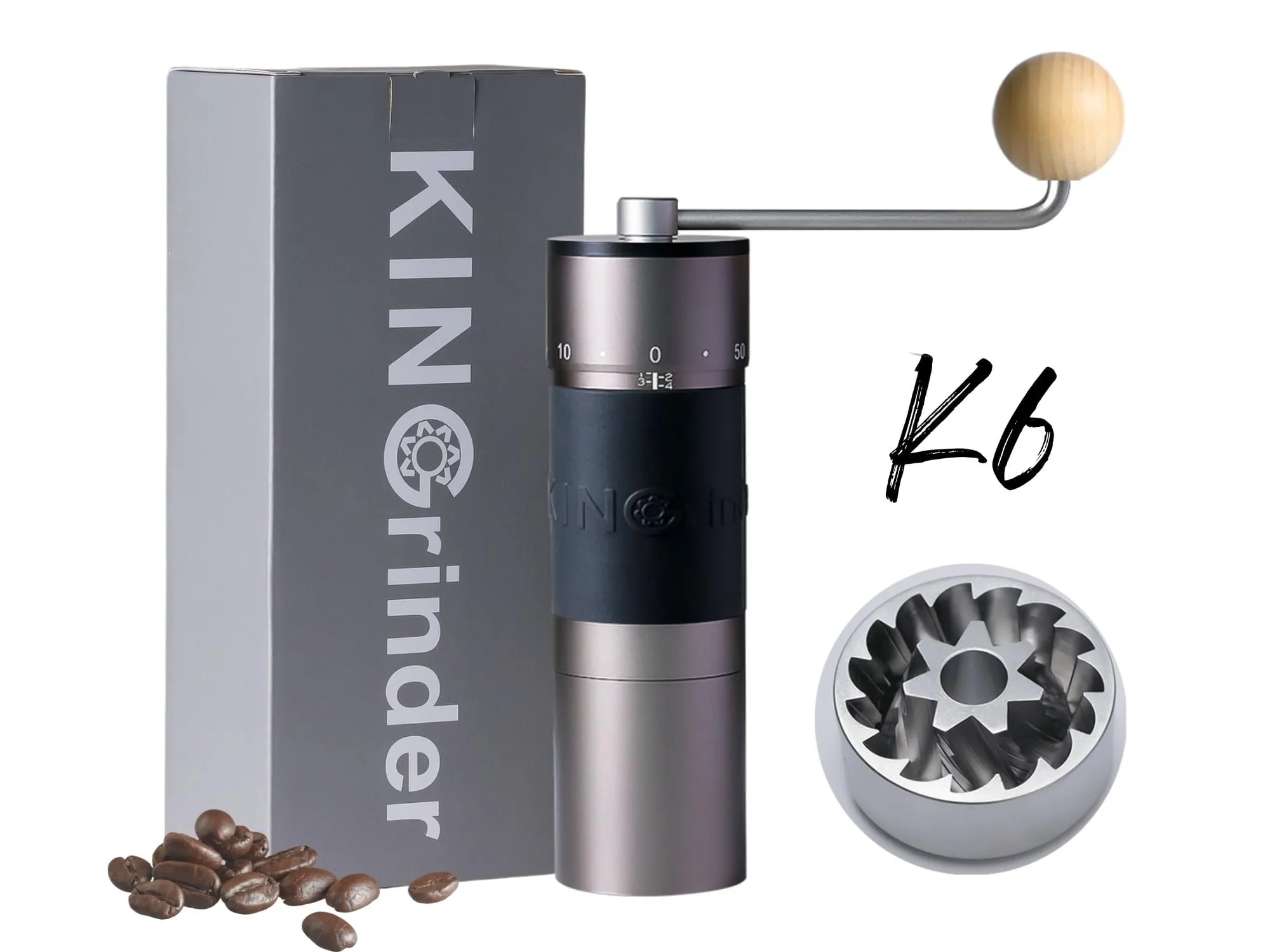
A good hand grinder gives you espresso-quality burrs for far less money
and takes up almost no space. It takes about 30 to 60 seconds of steady
cranking per shot, which is fine for one or two drinks a day and tiring
for more.
Frequently asked questions
Can I use a regular coffee grinder for espresso?
Usually not. Most filter grinders cannot grind fine enough for an
unpressurized basket, or their steps are too large to dial in a shot. If
your machine only uses pressurized baskets, a decent burr grinder will do.
For anything else, choose a grinder from this list or our
best coffee grinders guide that lists
espresso support.
How much should I spend on a grinder compared with the machine?
Spend at least as much care on the grinder as on the machine. A good
grinder with a modest machine makes better espresso than an expensive
machine with a poor grinder. Many home baristas spend about the same on
each.
Do I need a scale for espresso?
Yes. Weighing the beans going in and the espresso coming out is the
easiest way to make shots repeatable, and single-dose grinders depend on
it. See our guide to the best coffee scales.
Why do my shots run too fast even on the finest setting?
Your beans may be old, your basket may be too large for the dose, or the
grinder may need recalibrating. Many grinders let you reset the burrs
closer together. If that does not help, the grinder may not be able to go
fine enough for your coffee.